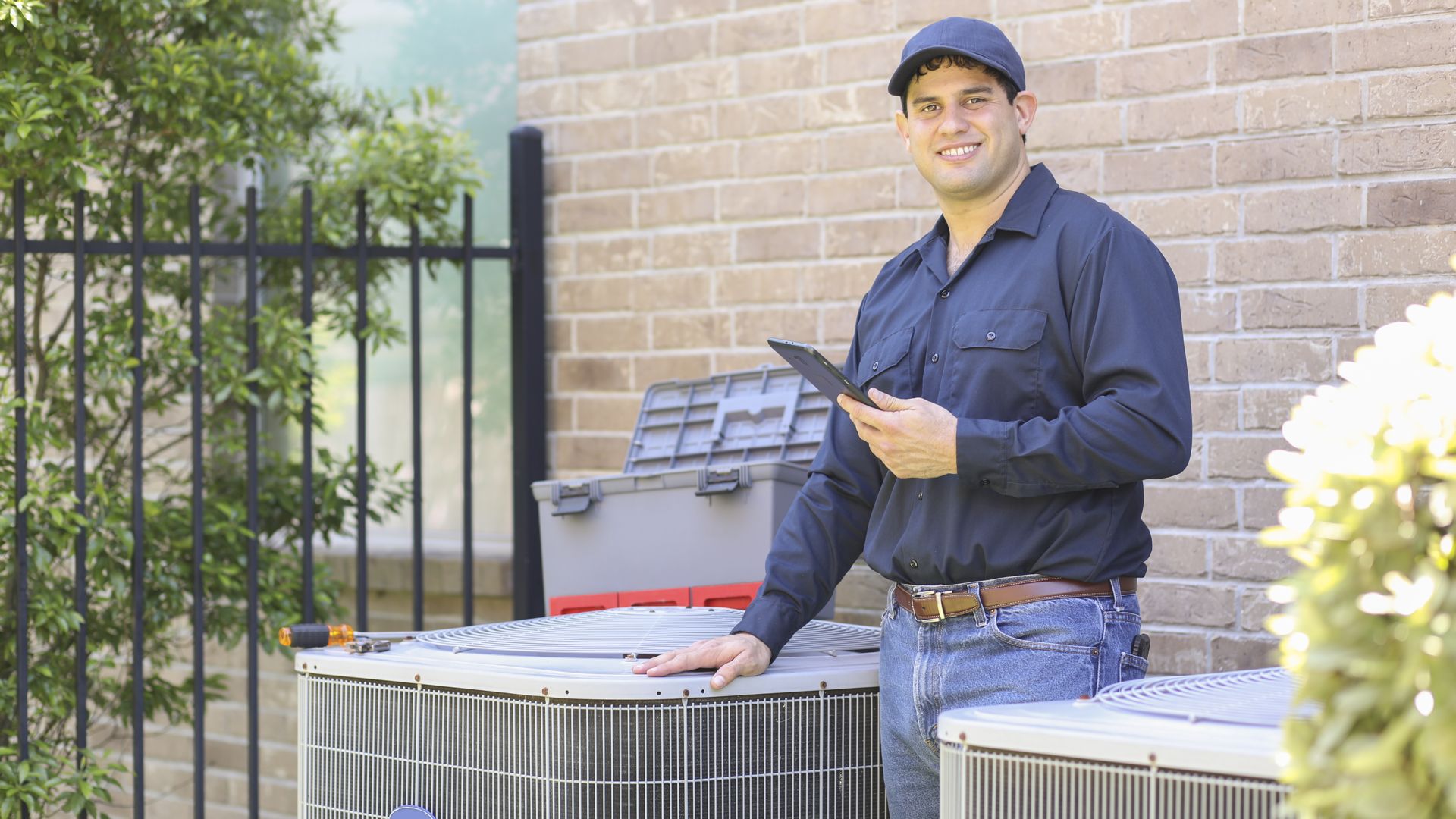
When your home’s heating or cooling suddenly fails, it can disrupt your daily life—especially with the unpredictable weather in Sandusky and Northern Ohio. By learning a few practical DIY HVAC troubleshooting techniques, you can often solve common comfort issues quickly and save yourself the time and cost of an unnecessary service call. With a legacy dating back to 1929, our team at Hohler Furnace & Sheet Metal understands our region’s unique climate challenges, and we’re committed to helping you keep your home comfortable and energy efficient. Below, we outline step-by-step guidance for common HVAC problems, actionable diagnostics, and tips to know when it’s time to seek professional support.
Common HVAC Problems Sandusky Homeowners Face
Sandusky’s climate swings from muggy summers to frigid winters, pushing HVAC systems hard year-round. Common HVAC problems include uneven room temperatures, systems that won’t turn on, unexpected sounds during operation, and units blowing air at the wrong temperature. These issues often result from the way Ohio’s weather puts additional stress on filters, coils, and ductwork. In homes near Lake Erie, excess humidity or outdoor debris can accelerate wear and clog up your equipment faster than you might expect.
It’s typical to encounter short-cycling—where your system clicks on and off too frequently—during abrupt temperature changes or when regular maintenance has been skipped. Storage areas like basements and attics are prone to leaky or damaged ductwork from freeze and thaw cycles. Dirty filters, thermostat issues, and minor electrical faults remain the leading causes of frustration for area homeowners. Understanding the symptoms you’re seeing can help you narrow down possible fixes and restore comfort.
Because seasonal pollen and dust peaks can choke air filters and cause efficiency loss, it pays to match your troubleshooting process to the specific conditions happening in Northern Ohio throughout the year. Noticing the way your system acts during each season makes it easier to identify issues early, prevent bigger repairs, and maximize your system’s life.
Troubleshooting Weak Airflow from HVAC Vents
If your vents are blowing weakly or not at all, the first thing you should check is your air filter. In Sandusky, high pollen and dust during spring and summer can clog filters rapidly. Replacing or cleaning the air filter every one to three months—more often during heavy use—improves airflow and helps your home heat and cool more evenly. Always use filters with a MERV rating appropriate for your system and local conditions. If you have pets or allergies, opt for filters that trap smaller particles.
Next, ensure that your supply and return vents aren’t blocked by furniture, drapes, or clutter. Walk around your home and carefully inspect each vent. Vacuum and wipe down all grilles to clear built-up dust or pet hair. Don’t overlook closed or partially blocked vents, which can disrupt balance and lower efficiency, making your HVAC system work harder.
If the filter and vents are clear and airflow remains weak, look at any accessible ductwork in your basement, crawl spaces, or attic. Disconnects, dents, or holes in ducts will reduce air delivery. You can temporarily patch small leaks with metal tape, but significant damage or unreachable ducts call for professional attention. By methodically working through these steps, you’ll address the most common causes of poor airflow and help your system run smoothly.
Steps to Take When Your HVAC System Won’t Turn On
If your HVAC system won’t respond, start by checking your power supply. Visit your main and sub-panel breaker boxes and see if any breakers or fuses controlling your heating or cooling equipment have tripped or blown. Resetting a tripped breaker might solve the issue, but if it recurs repeatedly, stop and contact a professional—it could indicate a serious wiring or equipment fault.
Your next stop should be the thermostat. Confirm that it’s set to the correct mode (“heat” or “cool”) and that the temperature setting demands action from the system. Replace batteries if necessary, and make sure the display is illuminated with no error messages or warnings. Sometimes, a simple dead battery or wrong setting is all that prevents your system from powering up.
Finally, look at your indoor unit’s safety switch, often found on a removable access panel. If a service panel is ajar or was recently opened and not replaced correctly, the switch won’t engage and the system won’t run. Double-check that all doors are securely fastened and nothing is blocking the safety switch. If these checks don’t restore operation, further action is best left to a licensed technician to avoid risks associated with HVAC electrical repairs.
How to Address Thermostat Problems Before Calling for Help
Thermostat malfunctions are a frequent root of heating and cooling complaints. If the system isn’t responding as expected, start by checking the screen for battery or system alerts. Replace the batteries if the screen is dim or unresponsive, and gently clean the thermostat faceplate to clear away any dust. Clogged sensors can skew readings and cause your system to turn on or off at the wrong times.
Many modern thermostats are connected to your home’s Wi-Fi or smart device apps. If you recently lost connectivity, try restarting your router and the thermostat according to manufacturer instructions. Double-check your schedule and temperature settings within the app to make sure nothing changed accidentally. Resetting your thermostat to factory settings can sometimes resolve persistent temperamental behavior.
Older or poorly placed thermostats—located near drafty windows, heat-generating electronics, or in direct sunlight—can misread your home’s actual temperature. This results in rooms that are too warm or too cold compared to your desired setpoint. When this is the case, consider whether the thermostat should be professionally relocated. If your unit still doesn’t respond correctly after these checks and resets, the safest next step is professional evaluation, especially for outdated or unsupported units.
Reducing Strange or Loud HVAC Noises in Your Home
Unusual HVAC noises often signal mechanical or airflow issues, which can range from benign to urgent. If you notice banging, whistling, squealing, or other odd sounds, try to locate their source. Banging and thumping usually indicate something loose—like blower fan blades or access panels. Whistling may mean an airflow restriction, such as a dirty filter or closed damper in the ductwork. Squeals and squeaks are frequently caused by worn belts or bearings.
To address these issues:
- Shut off the HVAC system and replace or clean the air filter if it’s dirty.
- Inspect all visible access panels and screws, tightening them as needed.
- Look for leaves, twigs, or other debris in outdoor units and carefully remove them.
- Monitor for ice buildup or visible wear, and avoid forcing the system to run if you see these problems.
If noises persist after these simple fixes, more serious internal issues—like metal-on-metal grinding, burnt-out motors, or electrical faults—may be developing. In these cases, turn off the system and contact a trusted professional. Running your HVAC during mechanical failure can risk greater damage and higher repair costs. Routine maintenance, careful cleaning, and yearly professional tune-ups help prevent noise problems and safeguard your equipment for the seasons ahead.
What to Do When Your HVAC System Blows the Wrong Temperature Air
If your furnace or AC starts blowing air that’s not hot or cold enough, begin your troubleshooting with the thermostat. Verify both the mode and the set temperature: during Sandusky’s summers, an AC set just one or two degrees below the current indoor temperature might not trigger cooling. If the fan setting is set to “on,” the blower will circulate air even when the compressor isn’t running, which can also feel like a temperature issue.
Air filter condition dramatically impacts performance. Dirty filters—especially during pollen season in Sandusky—hinder both cooling and heating. Always swap in a new filter if you’re experiencing output problems. For outdoor systems, inspect the coils for dirt, leaves, or frost, and gently clear any visible debris. Clean coils optimize heat exchange and help ensure correct air temperatures.
Refrigerant problems are a likely source if you hear hissing sounds, see ice buildup on lines, or find the output consistently weak. Low refrigerant levels require professional skills and equipment. Write down all symptoms, including when and how the problem occurs, to provide your technician with complete information. Seasonal maintenance with a focus on refrigerant checks helps reduce the likelihood of comfort loss due to leaks or other cooling-specific failures.
How Sandusky’s Seasons Affect HVAC Troubleshooting
Northern Ohio’s weather puts your HVAC system to the test. Hot, humid summers make cooling equipment work overtime, and without regular filter and coil maintenance, efficiency will drop. In winter, snow and ice on outdoor units can cause your system to freeze up and may trigger safety shutoffs. Drifting leaves and grass clippings after storms can also collect around the outdoor condenser, restricting airflow and driving up both wear and energy bills.
Rapid changes in humidity and temperature increase the chance for condensation issues and clogged drain lines. Homeowners should check outdoor equipment after each major storm to clear any debris or snow. Changing pleated air filters more often can help handle the extra moisture, dust, and pollen common to the region. Adjusting your thermostat for each season—slightly higher for summer, a little lower for winter—lets the system maintain comfortable conditions without excessive cycling.
Scheduling tune-ups with a professional in spring and fall ensures your HVAC is prepared for seasonal extremes. Key services include coil cleaning, drain line inspection, and thermostat recalibration. By proactively caring for your unit year-round, you help ensure reliable operation and avoid the stress of emergency repairs during the busiest times of year.
Which DIY HVAC Troubleshooting Steps Are Safe—And When Should You Call for Help?
As a homeowner, you can resolve many minor HVAC issues with simple steps. Changing filters, clearing vents, gently wiping coil surfaces, and swapping thermostat batteries are quick ways to improve performance. Inspect easily accessible ductwork in attics or basements for visible leaks or disconnections, and clear leaves or branches from around outdoor units. These basic steps require only patience and regular attention—no special tools or technical skill.
Some warning signs call for immediate professional intervention:
- Breakers that trip repeatedly or fuses that blow again and again.
- Unusual burning, electrical, or chemical smells from your equipment or vents.
- Water or refrigerant leaks, visible ice on lines, or mold growth around vents.
- Repeated loud metallic grinding or persistent unusual noises despite basic cleaning and tightening.
Attempting complex repairs without the proper knowledge can risk personal safety, system damage, and even void your equipment’s warranty. When in any doubt, or if simple DIY fixes don’t work, protect your investment by calling in qualified, trustworthy professionals. At Hohler Furnace & Sheet Metal, our technicians train regularly to handle Sandusky’s toughest HVAC problems swiftly and safely.
Will DIY Troubleshooting Void My HVAC Warranty?
Manufacturer warranties for modern heating and cooling systems guard against early equipment trouble—but only if homeowners follow basic terms. Most brands, including Bryant, outline clear rules in your warranty documents. Opening sealed components, trying to repair electronic parts, or attempting to add refrigerant yourself will almost always void coverage. Only maintenance tasks listed in the owner’s manual—such as changing air filters or cleaning vent covers—are considered safe for DIY.
Warranty claims can be denied if proof of professional maintenance is missing, or if unauthorized repairs are discovered. Schedule required checkups at the intervals stated in your paperwork, and keep a log of all service work and filter changes. This documentation provides a record of proper maintenance, which can be vital if a problem ever arises with your equipment later on.
When you’re uncertain whether an issue is safe for DIY troubleshooting, review the installation manual and warranty details or call the manufacturer’s support line. By ensuring your maintenance habits don’t cross into restricted territory, you keep warranty protection strong and your family’s comfort secure. Partnering with Hohler Furnace & Sheet Metal for service helps provide peace of mind that your system is cared for according to factory guidelines.
Preventing Future HVAC Issues: Proactive Steps for Sandusky Homeowners
Staying ahead of common HVAC problems involves regular, simple practices that pay dividends all year. Replace air filters every one to three months—more often if your home is near Lake Erie or if your family is prone to allergies. Schedule two annual checkups with a trusted technician: once in spring for cooling, once in fall for heating. During these visits, ask about coil cleaning, drain line care, and a thermostat calibration check for better seasonal efficiency.
Maintain a clear two-foot radius around your outdoor unit by trimming back shrubs, collecting loose branches, and routinely blowing away leaves or snow. Inspect thermostat settings every month to ensure the program matches your household’s needs, and update for daylight saving time shifts or significant lifestyle changes. Record all maintenance actions, filter swaps, and professional visits in a journal that you can share with your technician for better continuity of care.
By choosing modern, efficient equipment from leading brands and following these preventive habits, you reduce the risk of expensive, surprise breakdowns. Consistent effort helps keep your home comfortable and energy bills stable, even as the Sandusky climate changes from season to season. The team at Hohler Furnace & Sheet Metal has built a reputation for blending old-school values with innovative care, ensuring families stay comfortable year-round throughout Northern Ohio.
If your HVAC issue proves too stubborn or you’re unsure how to proceed, don’t hesitate to contact the trusted team at Hohler Furnace & Sheet Metal. With decades of experience, a commitment to customer satisfaction, and 24/7 availability, we’re always here to restore comfort—and peace of mind—to your home. Call (419) 904-5605 for dependable help whenever you need it.