When it comes to keeping your home warm and comfortable, traditional forced-air systems aren’t the only option. Radiant heating provides a modern alternative that delivers warmth directly to the surfaces you occupy, creating a cozy and even environment without relying on circulating air. Instead of heating the air, radiant systems transfer heat to floors, walls, or ceilings, allowing warmth to radiate naturally throughout the room. This method enhances comfort, reduces energy use, and promotes cleaner indoor air. For homeowners exploring more efficient and effective heating solutions, radiant heating can be a smart choice.
Radiant heating works by emitting infrared radiation from a heated surface, similar to how sunlight warms the Earth. It targets the lower part of the room, where heat is most appreciated, and spreads it evenly to objects, furniture, and people. There are two primary types of radiant systems:
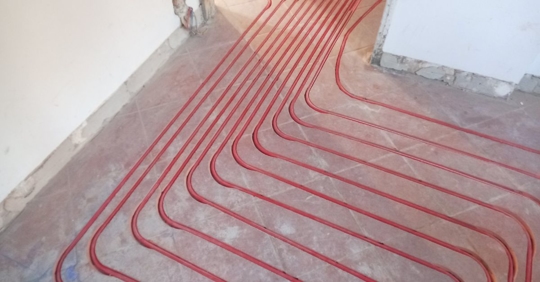
- Hydronic systems: Heated water circulates through tubing beneath the floor, providing long-lasting and consistent warmth.
- Electric systems: Coils or mats installed under flooring generate heat as electricity passes through, perfect for smaller areas or targeted installations.
Both approaches minimize drafts, reduce dust circulation, and provide energy-efficient comfort.
Types of Radiant Heating Systems
Floor heating is the most common form of radiant heating, but wall and ceiling panels offer alternatives for homes where floor installation may be impractical.
- Floor heating systems:
- Hydronic: Excellent for larger spaces, with hot water flowing through tubing to radiate heat evenly.
- Electric: Ideal for smaller areas such as bathrooms or kitchens, offering an easy and cost-effective option.
- Wall and ceiling panels:
- Radiate warmth evenly from walls or ceilings.
- Useful in homes with large windows or limited floor space.
- Provide quiet, unobtrusive heating with a sleek aesthetic.
Components of a Radiant Heating System
A radiant system relies on two main components: a heat source and a distribution network.
- Heat sources: Boilers for hydronic systems or electric heating elements for electric systems.
- Distribution methods: Piping, tubing, or panels deliver heat evenly across floors, walls, or ceilings.
Professional guidance from Hohler Furnace & Sheet Metal ensures the right system is chosen based on your home’s infrastructure, energy costs, and personal preferences.
Benefits of Radiant Heating
Radiant heating provides multiple advantages for homeowners:
- Energy efficiency: Operates at lower temperatures while keeping rooms comfortable, reducing monthly energy costs.
- Long-term savings: Over time, lower operating costs can offset higher installation expenses.
- Healthier indoor air: Less circulating air reduces dust, allergens, and the impact of allergens on respiratory health.
- Enhanced comfort: Even heat eliminates cold spots and drafts, while quiet operation increases home serenity.
- Environmental sustainability: Lower energy use and compatibility with renewable energy sources like solar or geothermal systems reduce your carbon footprint.
Installation and Maintenance Considerations
Installing a radiant heating system requires thoughtful planning:
- Structural requirements: Floors may need reinforcement or adjustments for optimal efficiency, particularly in retrofits.
- Cost and time: Installation can be more involved than traditional systems, but the long-term benefits are significant.
- Maintenance: Annual inspections help catch leaks, pump issues, or heating element concerns early.
Hiring professionals, such as the team at Hohler Furnace & Sheet Metal, ensures a smooth installation and long-lasting performance.
Comparing Radiant Heating to Other Systems
- Forced air: Radiant heating provides uniform warmth without the drafts or duct losses common in forced-air systems.
- Baseboard heating: Frees wall space, eliminates noise, and maintains consistent heat distribution.
- Climate adaptability: Effective in both cold winters and milder climates, with potential integration with cooling systems for year-round comfort.
Is Radiant Heating Right for Your Home?
Several factors help determine if radiant heating is the right choice:
- Home layout: Open floor plans benefit most, though smaller spaces can use targeted installations.
- Budget: Higher upfront costs are offset by long-term energy savings.
- Current heating system: Retrofitting may require structural changes; professional assessment is key.
- Lifestyle preferences: Quiet, invisible heating appeals to families who value comfort, aesthetics, and consistent warmth.
If You Are Interested In Radiant Heating, Make Sure to Call Hohler Furnace & Sheet Metal
Hohler Furnace & Sheet Metal proudly handles radiant heating systems. Our experienced team can guide you through the process from selection to professional installation, ensuring your home enjoys maximum comfort, energy efficiency, and long-term value. With radiant heating, your home can become a warm, inviting space that’s efficient, healthy, and tailored to your lifestyle.
Call Hohler Furnace & Sheet Metal today at (419) 904-5605 or contact us online.