Maintaining clean air in your home is about more than comfort—it’s essential for health, energy efficiency, and the longevity of your HVAC system. One of the simplest and most effective ways to achieve this is by regularly changing your AC filters. These filters trap dust, pollen, and other airborne particles before they circulate throughout your home. Keeping them clean ensures that the air you and your family breathe is fresher, healthier, and more comfortable. For homeowners in Sandusky, OH, consistent AC filter maintenance is a small step that can make a significant difference in both indoor air quality and system performance.
When your filters are properly maintained, they not only remove visible debris but also help prevent the growth of bacteria and mold that can thrive on trapped dust. This can be especially important for households with children, elderly family members, or anyone with respiratory conditions. Over time, a clean filter contributes to a more hygienic environment, reducing allergens and irritants while keeping your living spaces comfortable and safe.
Improved Air Quality
Clean filters have a direct impact on the quality of the air inside your home. Benefits include:
- Reduced dust, pollen, and other airborne particles
- Lower risk of respiratory irritation and allergy flare-ups
- Fresher, more comfortable indoor environments
By maintaining filters regularly, you minimize the circulation of pollutants, helping everyone in your home breathe easier. Homes with pets or residents prone to allergies may notice the most dramatic improvements, but all households benefit from cleaner, healthier air.
Increased Energy Efficiency
Dirty filters make your HVAC system work harder, leading to increased energy use and higher utility bills. Regularly replacing filters helps your system operate more efficiently by:
- Maintaining proper airflow
- Reducing energy consumption by up to 15%
- Extending the lifespan of your HVAC system
When the system isn’t overexerting itself to pull air through a clogged filter, components experience less wear and tear. Over time, this not only translates into lower monthly costs but also reduces the likelihood of costly repairs or premature system replacement. Proper filter maintenance is one of the simplest ways to maximize the value of your HVAC investment.
Signs It's Time to Change Your AC Filter
Visible Dust and Debris
The most obvious sign that your filter needs attention is visible buildup of dust and debris. Look for:
- A darkened or clogged filter surface
- Dust on air vents and around the home
- Reduced air quality or lingering odors
Regularly checking your filter and vents ensures the system is working properly and prevents unnecessary pollutants from recirculating through your home. Even a short delay in changing filters can lead to increased indoor dust and contribute to respiratory discomfort.
Inefficient Airflow
If your HVAC system is struggling to maintain even temperatures or you notice weak airflow from vents, a clogged filter may be the culprit. Restricted airflow forces the system to work harder, leading to:
- Uneven room temperatures
- Higher energy consumption
- Increased wear on HVAC components
Monitoring airflow and replacing filters as needed helps maintain consistent comfort throughout your home while keeping energy usage in check.
Choosing the Right AC Filter for Your Home
Understanding Filter Ratings (MERV Ratings)
MERV ratings indicate a filter’s ability to capture airborne particles. Key points include:
- Most homes: MERV 8–13, balancing filtration and airflow
- Higher-rated filters: Above MERV 13, used in sensitive environments
- Choosing the right filter: Consider allergies, pets, and indoor air quality needs
Selecting an appropriate MERV rating ensures optimal performance without overloading your system. For households with severe allergy concerns, a higher-rated filter may be necessary, but professional guidance can help strike the right balance.
Types of AC Filters
Understanding your options makes it easier to choose a filter that meets your needs:
- Fiberglass filters: Affordable, basic filtration
- Pleated filters: Capture smaller particles and maintain airflow
- HEPA filters: Trap 99.97% of particles as small as 0.3 microns, though not all HVAC systems can accommodate them
- Eco-friendly filters: Offer effective filtration with environmental benefits
Choosing the right filter type enhances both indoor air quality and system efficiency, keeping your home safe and comfortable.
How to Change Your AC Filter Like a Pro
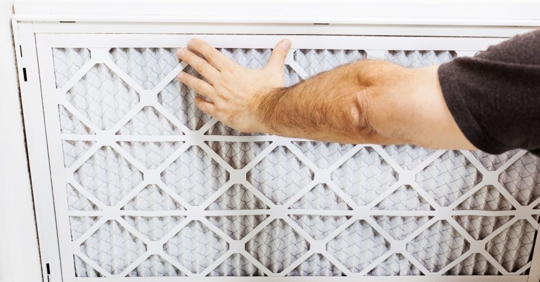
Replacing your AC filter is a simple process, but doing it correctly ensures your system runs efficiently. First, power down your HVAC unit to prevent electrical hazards. Locate the filter compartment—usually within the unit or in a return air duct—then carefully remove the old filter, noting its orientation. Insert the new filter in the same direction, ensuring a snug fit to prevent air bypass.
While the physical replacement is straightforward, paying attention to details like filter orientation and size is essential. Most filters have arrows indicating airflow direction, and using the wrong size can compromise efficiency. Regularly checking and correctly installing your filter helps your system maintain optimal performance and prolongs its lifespan.
Safety Precautions and Best Practices
Safety is paramount when handling HVAC maintenance:
- Always turn off the system before changing filters
- Wear gloves to protect against allergens
- Ensure a stable surface if the filter compartment is elevated
- Set reminders or mark your calendar for consistent filter changes
A little attention to safety and routine maintenance goes a long way in preventing system issues, protecting your investment, and keeping your home comfortable and healthy.
Frequently Asked Questions About AC Filter Maintenance
How Often Should AC Filters Be Changed?
- Standard recommendation: Every 30–90 days
- Homes with pets or allergy sufferers: Every 20–45 days
- Adjust based on household size, seasonal use, and air quality
What Happens If You Don't Change Your AC Filter?
Neglecting filter changes can lead to:
- Clogged filters and restricted airflow
- Higher energy consumption and increased utility bills
- Strain on your HVAC system, potentially causing failures
- Degraded indoor air quality and increased allergens
Timely maintenance prevents costly repairs, improves comfort, and ensures your home remains a healthy environment for everyone.
Make Sure Your System Is Ready for Spring with Hohler Furnace & Sheet Metal
Our indoor air quality experts at Hohler Furnace & Sheet Metal provide expert guidance on selecting, installing, and maintaining the right air filtration options for your home. By keeping your system in top condition, you enjoy cleaner air, lower energy costs, and longer HVAC system life. Reach out today to ensure your home remains comfortable, efficient, and safe year-round.
Call Hohler Furnace & Sheet Metal now at (419) 904-5605 or send us a message online.